
A clear breakdown of the popular Stamets Stack microdosing protocol — the reasoning behind each ingredient, the suggested schedule, and what the evidence actually says.
Of all the microdosing protocols that have circulated over the last decade, none is more widely discussed than the one proposed by the mycologist Paul Stamets. Known to a broad audience for his research on fungi and their role in ecosystems and human health, Stamets suggested a simple three-part formula that combines a sub-perceptual dose of psilocybin with two supporting ingredients. It has since become the reference point for anyone curious about stacking psilocybin with other compounds.
The appeal is easy to understand. The Stamets Stack promises the everyday benefits people associate with microdosing — steadier mood, sharper focus, more creativity — while adding a specific, mechanistic story about long-term brain health. But the protocol is also frequently oversold and misunderstood. This guide breaks down what the stack actually is, the reasoning behind each ingredient, how the schedule works, and, crucially, what the evidence does and doesn't support.
What's Actually in the Stack
The Stamets Stack has three components, each chosen for a specific reason:
- Psilocybin — a sub-perceptual microdose, typically in the range of 0.1–0.3 g of dried magic mushrooms. This is far below the threshold that produces a noticeable trip.
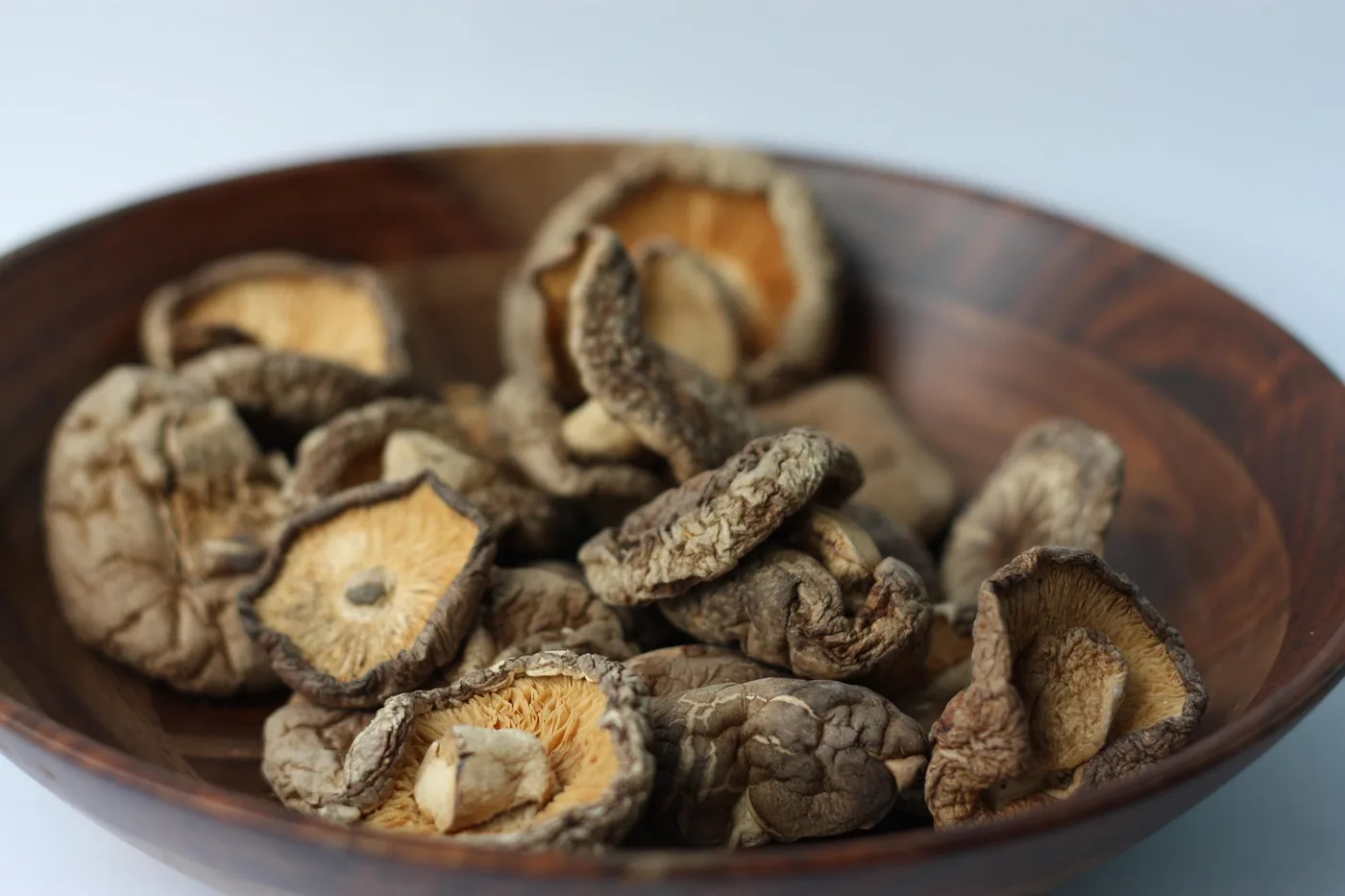
- Lion's Mane (Hericium erinaceus) — a non-psychoactive culinary and medicinal mushroom prized for its potential effects on nerve health.
- Niacin (vitamin B3) — usually 100–200 mg of the flushing form, included for a reason that surprises most newcomers.
On paper it looks like an ordinary supplement stack. The interesting part is the theory behind how these three ingredients are meant to work together — a theory built around the idea of neurogenesis, the growth of new neural connections.
It's worth understanding why this particular combination captured so much attention. Stamets is not a fringe figure; he is a serious, widely respected mycologist whose work on fungi has reached a large public audience. When someone with that credibility proposed a specific, mechanistic protocol — rather than the vague "just take a little" advice common in microdosing circles — people listened. The stack offered something the microdosing conversation had been missing: a concrete recipe, a clear schedule, and a plausible biological story for why it might work. That structure is a large part of its enduring popularity.
The Reasoning Behind Each Ingredient
Start with psilocybin. Beyond its acute effects, research suggests psilocybin can promote neuroplasticity — the brain's capacity to form and reorganize connections. Even at sub-perceptual doses, proponents argue, it may gently encourage this flexibility, creating a window in which new patterns of thought and behavior are easier to establish.
Lion's Mane is the supporting act. It contains two families of compounds — hericenones and erinacines — that, in laboratory and animal studies, appear to stimulate the production of nerve growth factor (NGF), a protein essential for the growth, maintenance, and survival of neurons. The logic of the stack is that if psilocybin opens a window for new connections, Lion's Mane helps supply the raw material to build and protect them.
Then comes the ingredient that puzzles people: niacin. Why add a B vitamin famous for making your skin flush and tingle? Stamets's stated reasoning is twofold. First, niacin is a vasodilator that helps distribute the other compounds throughout the body, including to the peripheral nervous system. Second — and more practically — the flush acts as a deterrent against abuse. Because a larger-than-intended dose produces an uncomfortable flush, niacin discourages anyone from escalating the psilocybin in search of a stronger effect.
The Schedule: How to Cycle It
A protocol is only as good as its schedule, and the Stamets Stack is built around deliberate cycling to avoid tolerance. The classic pattern is straightforward:
- Four days on, three days off. Take the stack for four consecutive days, then pause for three. This weekly rhythm gives the brain's serotonin receptors time to reset and keeps the microdose from losing its effect.
- Run for about one month, then take a longer break of two to four weeks before starting another cycle.
- Dose in the morning, with or shortly after breakfast, so the subtle effects align with your waking hours and don't interfere with sleep.
The three-days-off portion is not an afterthought. Psychedelics build tolerance quickly, and without regular breaks a daily microdose would fade into nothing within a week. The gaps are what keep the protocol working over time.
What People Report — and What the Evidence Says
Anecdotally, people who follow the Stamets Stack describe a familiar cluster of benefits: a calmer baseline mood, improved focus and flow at work, more creative problem-solving, and a gradual quieting of repetitive negative thoughts. Some report that fatigue lifts and that they recover from stressful days more easily. The experience is meant to be subtle — a gentle background shift, not a dramatic high.
Here honesty matters. The mechanistic story — psilocybin for plasticity, Lion's Mane for NGF, niacin for delivery — is biologically plausible and grounded in real preclinical findings. But rigorous human trials specifically testing the combined stack are still limited. Much of what we know about microdosing comes from self-report surveys, which are vulnerable to expectation and placebo effects. Naturalistic studies of large groups of microdosers have found self-reported improvements in mood and mental health, but well-controlled trials have been more mixed, sometimes showing that expectation accounts for a large part of the benefit.
None of this means the stack is worthless. It means the honest position is one of cautious optimism: a promising, low-dose protocol with a coherent rationale and encouraging anecdotal support, still waiting on the rigorous science that would confirm exactly how much of the effect is pharmacological.

How to Approach It Responsibly
If you decide to try the stack, treat it like an experiment on yourself, not a magic bullet. A few principles keep it safe and meaningful:
- Start low. Begin at the bottom of the dose range and only adjust after a full cycle. The goal is a sub-perceptual dose — if you feel a trip coming on, you've taken too much.
- Keep a baseline. On dosing days, don't change anything else about your routine. You can't measure the signal of a microdose if you also start a new diet, sleep schedule, or exercise plan the same week.
- Journal three metrics daily — mood, focus, and creativity, each on a simple 1–10 scale. After a month, look at the trend, not any single day.
- Mind interactions and health conditions. Anyone taking psychiatric medication (especially SSRIs), with a personal or family history of psychosis, or who is pregnant should not microdose without medical guidance.
For consistency, many people prefer a pre-measured, lab-tested capsule so that every dose is identical — our Clarity Microdose capsules combine the three components in a fixed ratio and are packed to preserve potency. Whatever source you use, the discipline is the same: consistent dose, honest tracking, and a genuine break between cycles.
Who Should Think Twice
The stack is not universally appropriate, and a responsible guide has to say so plainly. Because psilocybin is the active ingredient, the same cautions that apply to all microdosing apply here. Anyone with a personal or family history of psychosis or schizophrenia should avoid it entirely, as psychedelics can trigger or worsen these conditions. People taking psychiatric medication — especially SSRIs, MAOIs, or lithium — should consult a knowledgeable clinician first, since interactions are possible and can blunt or complicate the effects.
There are also considerations specific to the other ingredients. High doses of niacin can cause an intense flush and, rarely, affect the liver, so it should be kept within the recommended range. Anyone who is pregnant or breastfeeding should not use the stack. And legality is its own real consideration: psilocybin remains illegal in most places, and readers are responsible for understanding the laws where they live. None of this is meant to alarm — it's meant to ensure that anyone who explores the stack does so with full awareness rather than blind enthusiasm.
The Bottom Line
The Stamets Stack endures because it tells a satisfying story and offers a simple, structured way to explore microdosing. Its logic — pairing psilocybin's plasticity with Lion's Mane's nerve support and niacin's delivery — is elegant and rooted in real science, even if the combined protocol still awaits definitive clinical proof. Approached patiently, tracked honestly, and cycled with proper breaks, it is one of the more thoughtful entry points into the world of microdosing. Just remember that the stack is a tool for steady, incremental change, not a shortcut — and that the most important variable is always how carefully you use it.
Ready to apply what you've learned?
Browse lab-tested magic mushrooms, edibles, microdose capsules and teas — shipped discreetly across the United States.