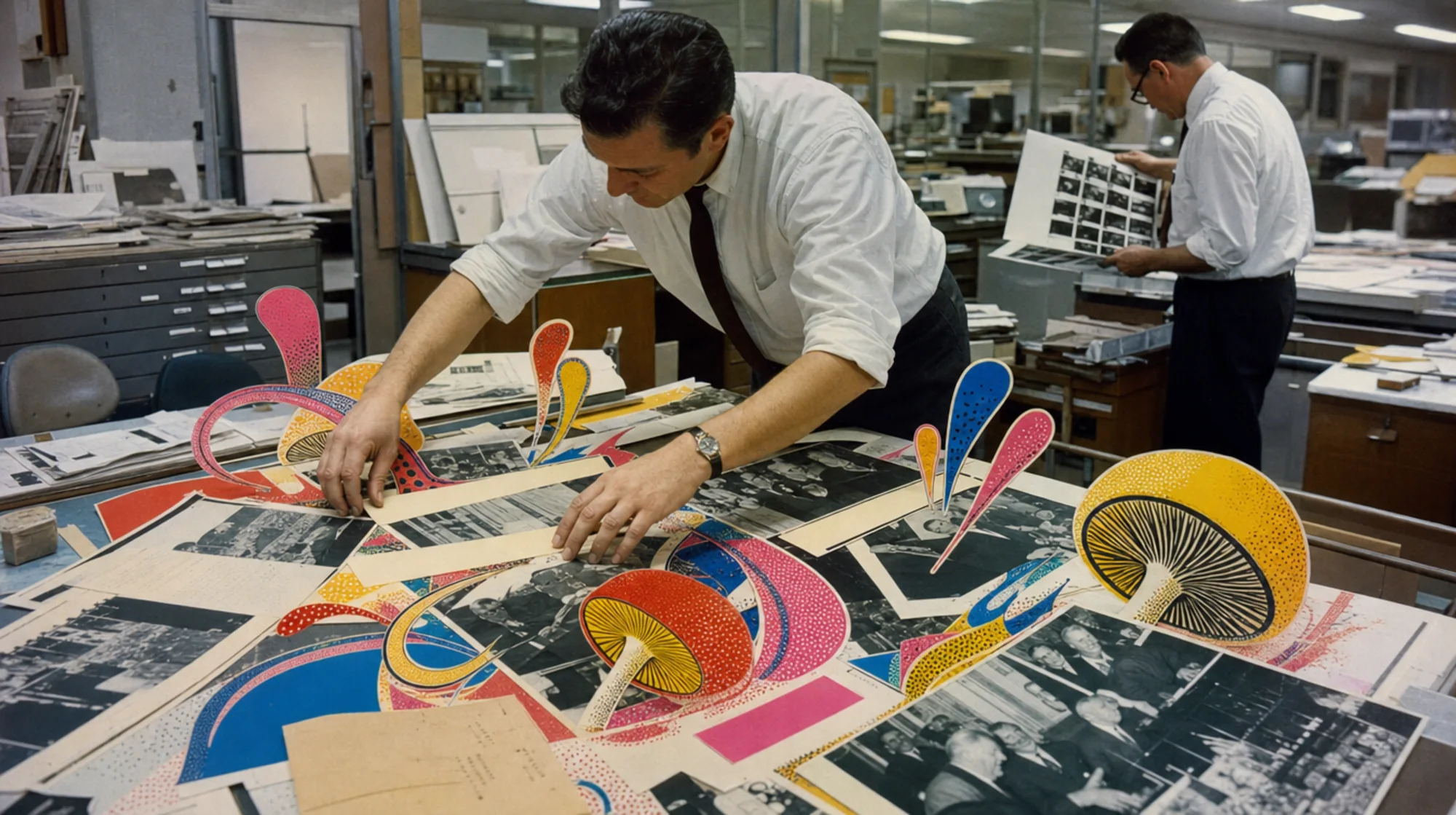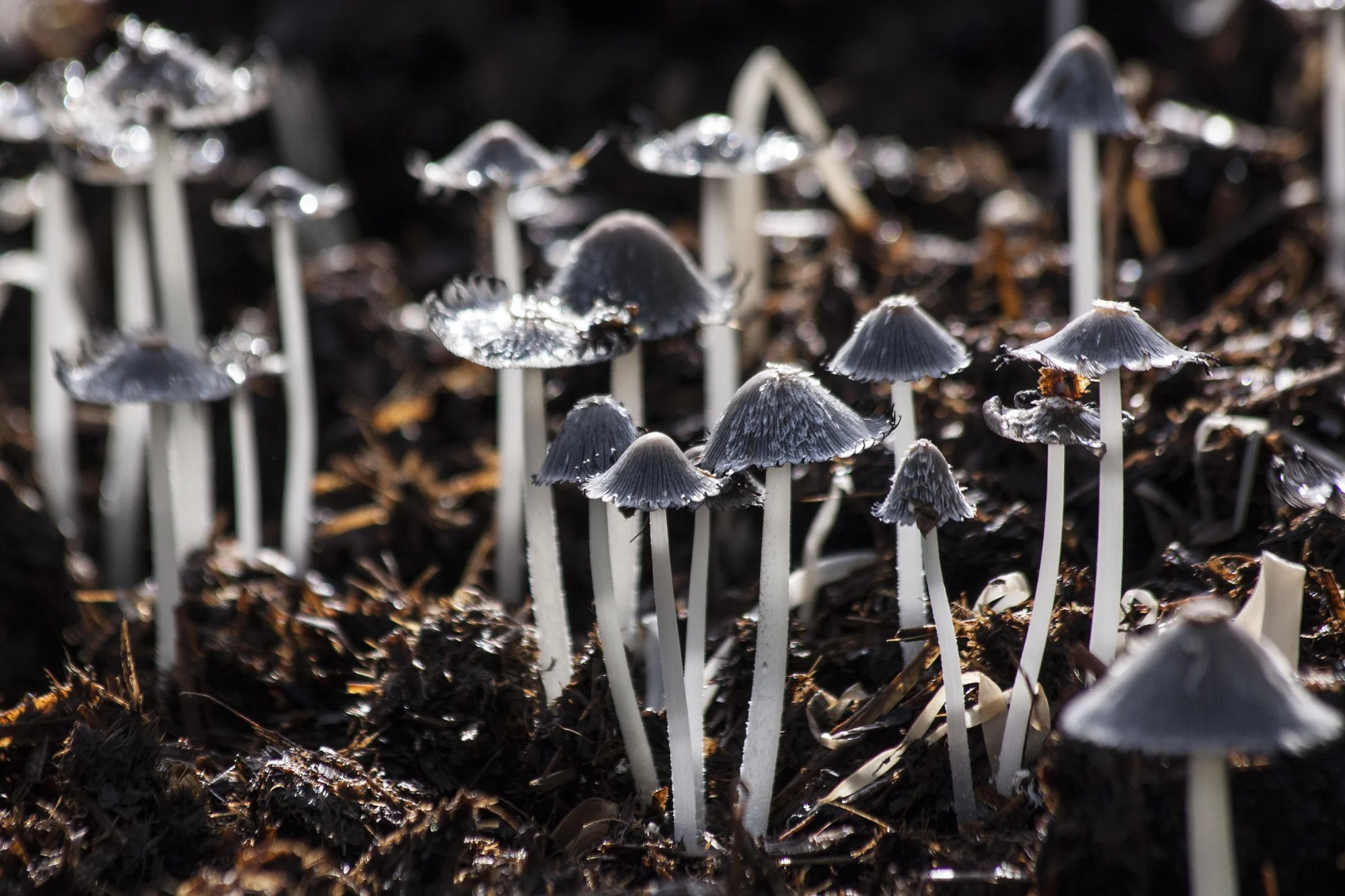
Somewhere along the way, magic mushrooms became a wellness product with good branding, while LSD stayed stuck in 1969. Same schedule, same felony, wildly different reputations.
Walk into any conversation about psychedelics in 2026 and you will notice something strange. Mushrooms get talked about like a green juice. LSD gets talked about like a warning label. Both are Schedule I. Both will get you the same charge in most of the country. One of them just hired a better publicist.
Two drugs, one felony, opposite vibes
Under federal law, psilocybin and LSD sit on the same shelf, filed as having no accepted medical use and a high potential for abuse. That is the legal reality. The cultural reality split a long time ago. Say "acid" and people picture a bad night at a music festival in 1969. Say "mushrooms" and the same people picture a cold-pressed juice and a weighted blanket. Nothing about the pharmacology earned that difference. Marketing did.
The word "natural" did a lot of heavy lifting
The rebrand runs on a single adjective. Mushrooms grow in the ground, which lets people file them under wellness, next to adaptogens and mushroom coffee, most of which contains no psilocybin at all. LSD was cooked up in a Swiss lab in 1938, which files it under chemistry, next to things your mother told you to avoid. This is mostly vibes. Your brain does not care whether a molecule came from a fungus or a flask. But "found in nature" sells, and "synthesized by a chemist" does not, and the whole wellness economy is built on that gap.
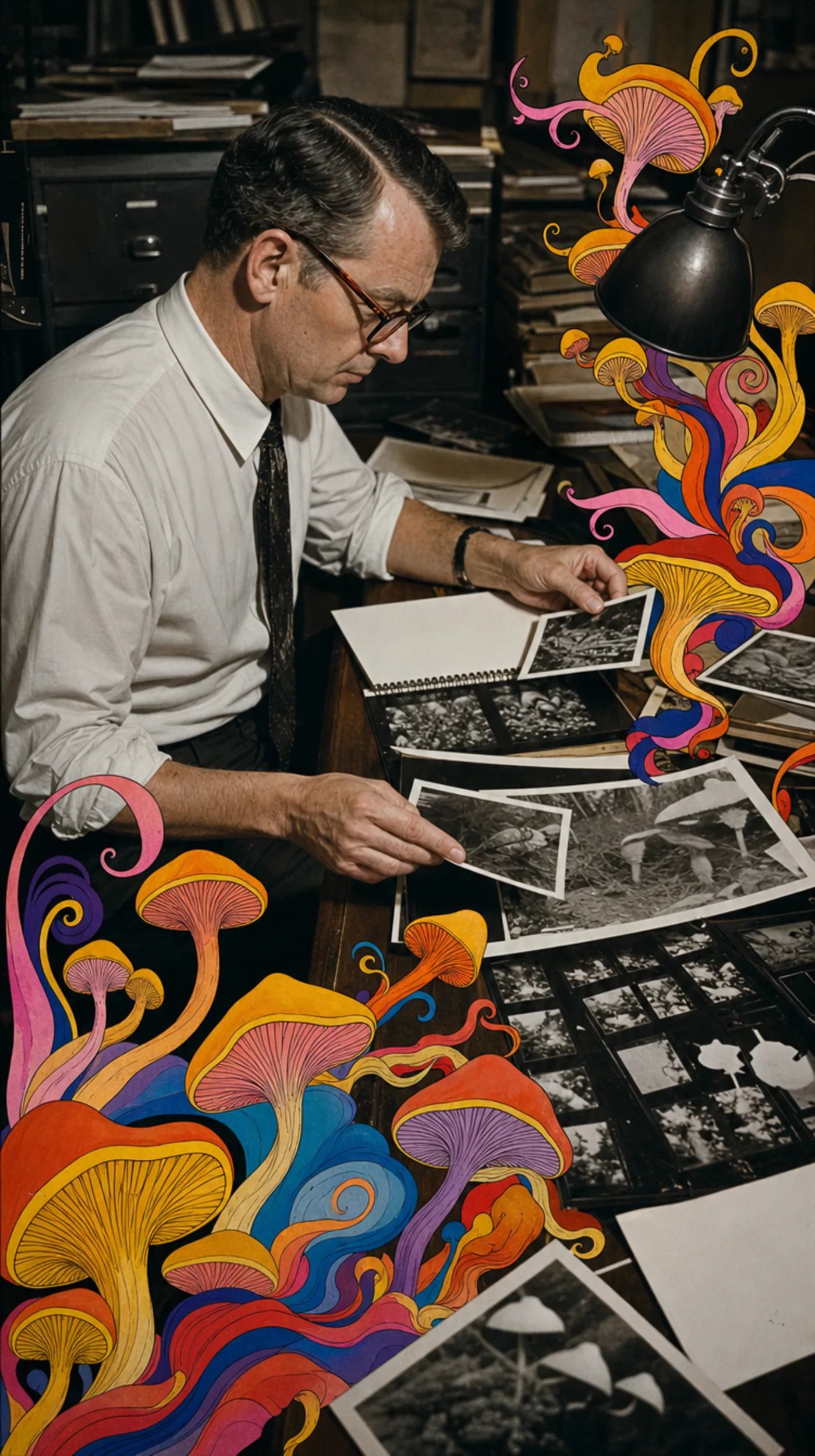
Even the name was a marketing decision
The phrase "magic mushroom" was not coined by a shaman or a scientist. A LIFE magazine editor slapped it on a 1957 article, over the author's objections, because it was catchy. It worked. Seventy years later, that editor's headline instinct is still shaping how a Schedule I drug gets received at dinner parties. The mushroom got a fairy-tale adjective. The acid got a rap sheet.
Silicon Valley finished the job
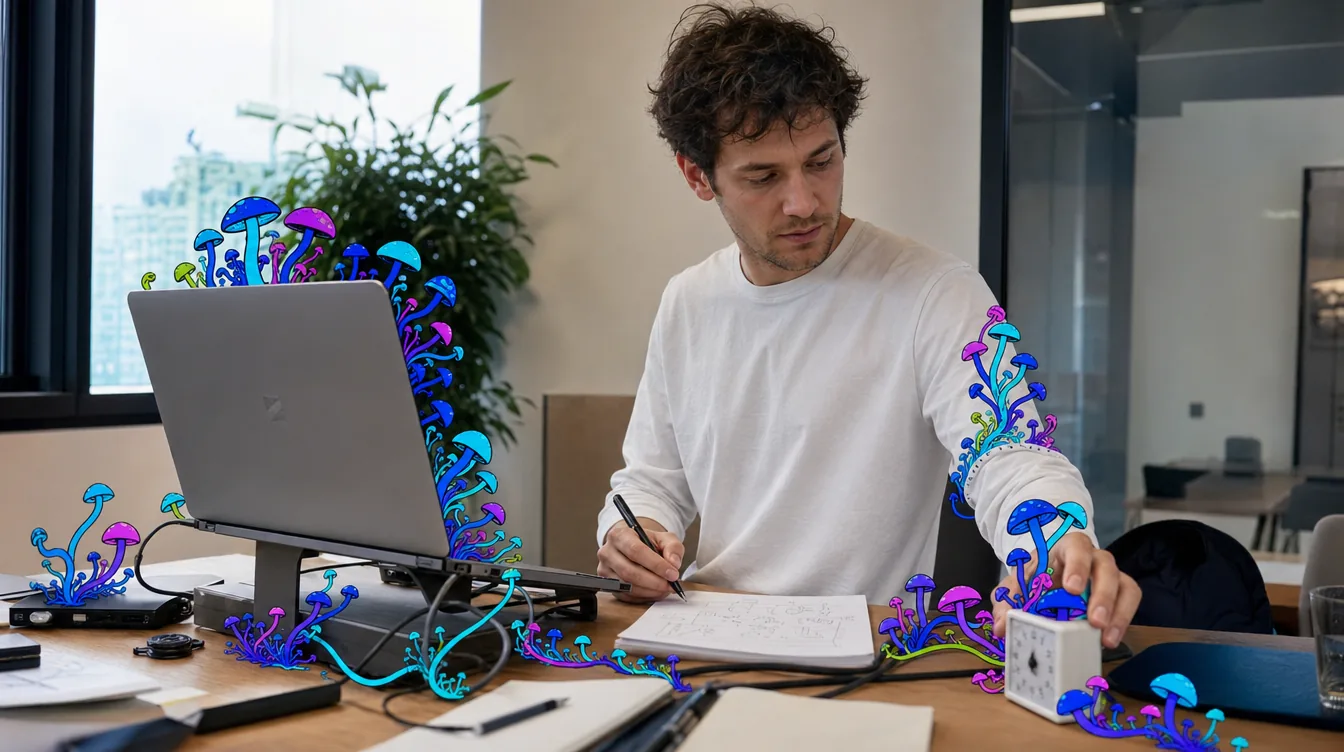
Then the tech world adopted microdosing, and the transformation was complete. The story became productivity, not rebellion. Founders swapped tips about sub-perceptual doses the way they swapped tips about standing desks. Suddenly the drug wasn't about dropping out, it was about optimizing your quarterly output. Whether any of this actually works is a separate and much shakier question, but the framing landed. A drug that promises focus reads very differently than a drug that promises to melt your ego, even when it is the same drug doing both.
The wellness economy needed a hero molecule
It also arrived at the perfect moment. The 2010s built an entire industry on the word "natural," selling adaptogens, nootropics, and mushroom powders to people who wanted an edge without the stigma of a drug. Psilocybin slotted right in. It had the fungal pedigree, the earthy aesthetic, and a story about healing rather than partying. The fact that most of the mushroom products on a store shelf contain no psilocybin at all barely registered. The category had already trained shoppers to trust anything with a mushroom on the label, which is a marketing dream and a fact-checker's nightmare.
The map makes no sense, and that helps
The legal patchwork adds to the confusion in a way that quietly benefits the mushroom. Oregon legalized supervised psilocybin services in 2020. Colorado decriminalized possession and set up healing centers in 2022. Denver, Oakland, and Washington DC went the deprioritization route. Cross a state line and the same handful of dried caps flips from a regulated therapy to a felony. The two states even structured their laws differently, which keeps everyone politely confused. All that reform energy went to mushrooms first. LSD is barely in the conversation.

The evangelists are very good at this
It helps that mushrooms have Paul Stamets. The mycologist has spent decades pitching fungi as a fix for nearly everything, and at a big psychedelics conference in 2025 he told a cheering crowd that psilocybin should be free for every person on the planet. That is a movement with a folk hero, a TED aesthetic, and a merch table. LSD has no equivalent. Its most famous spokesman was Timothy Leary, and his brand aged like milk.
The pushback nobody wants to hear
Not everyone is thrilled with the glow-up. Michael Pollan, who did more than anyone to make this respectable, has called parts of the movement premature, a rush to legalize before the researchers finish their work. He has a point. A rebrand is not a safety profile. The same voter survey that found most Americans now support regulated access also found them far more nervous about decriminalizing personal use. The public likes the wellness version. It is less sure about the version with no supervision attached.
What the rebrand leaves out
The clean wellness framing skips the part where these are strong drugs that can hand you the worst night of your life. It skips the contraindications. It skips the fact that "natural" and "safe" are not synonyms, a point our guide to set and setting keeps having to make. A well-designed label is not the same thing as a well-understood substance. LSD is still waiting for its wellness moment. Same schedule, same risks, same century of baggage. It just never found an editor willing to call it magic.
Frequently Asked Questions
Are mushrooms actually safer than LSD? Their reputations differ far more than their risk profiles do. Both are Schedule I, both are strong psychedelics, and "natural" is not a safety rating. The gap between them is cultural, not pharmacological.
Who came up with the term "magic mushroom"? A LIFE magazine editor added it to a 1957 article because it read well, over the author's objections. The name outlived everyone involved.
Does microdosing really boost focus and creativity? The evidence is thin and mixed. Several controlled studies have struggled to separate real effects from placebo. The productivity pitch is more marketing than settled science.
Where is psilocybin legal in the United States? Oregon and Colorado run regulated, supervised programs, and several cities have decriminalized personal possession. Everywhere else it stays illegal, and federal law still lists it as Schedule I.
Do mushroom coffee and adaptogen products contain psilocybin? Almost never. Most functional-mushroom products use species like lion's mane or reishi and contain no psychedelic compound at all.
Ready to apply what you've learned?
Browse lab-tested magic mushrooms, edibles, microdose capsules and teas — shipped discreetly across the United States.