A J.P. Morgan vice president ate mushrooms in a Mexican village in 1955, wrote it up for a magazine, and accidentally kicked off the psychedelic era. It did not end well for the woman who let him in.
In 1955, a vice president at J.P. Morgan traveled to a remote town in the mountains of Oaxaca, sat in a dark room with a Mazatec healer, and ate a pile of mushrooms. Two years later he told the whole world about it in a glossy American magazine. Almost everything that followed, the counterculture, the crackdown, the modern therapy trials, traces back to that one man's need to share.
The unlikely tourist
His name was R. Gordon Wasson, and he was not a hippie or a scientist. He was a Wall Street banker with an unusual hobby. His Russian wife had grown up loving wild mushrooms, he had grown up fearing them, and their argument about fungi turned into a decades-long obsession that took them around the world. That obsession eventually pointed them at Mexico, where rumors said indigenous people still used mushrooms in sacred rituals that had survived centuries of suppression.
Getting in the door
The rituals had good reason to stay hidden. After the Spanish conquest, mushroom ceremonies went underground to escape the Inquisition, surfacing only in scattered records for four hundred years. Wasson found his way to Huautla de Jimenez and to Maria Sabina, a Mazatec curandera who agreed, for reasons that are still debated, to let him take part. He later claimed he and his companion were the first outsiders in recorded history to eat the mushrooms in the ceremony. Whether that boast was even true is beside the point of what he did with it.
The article that changed everything
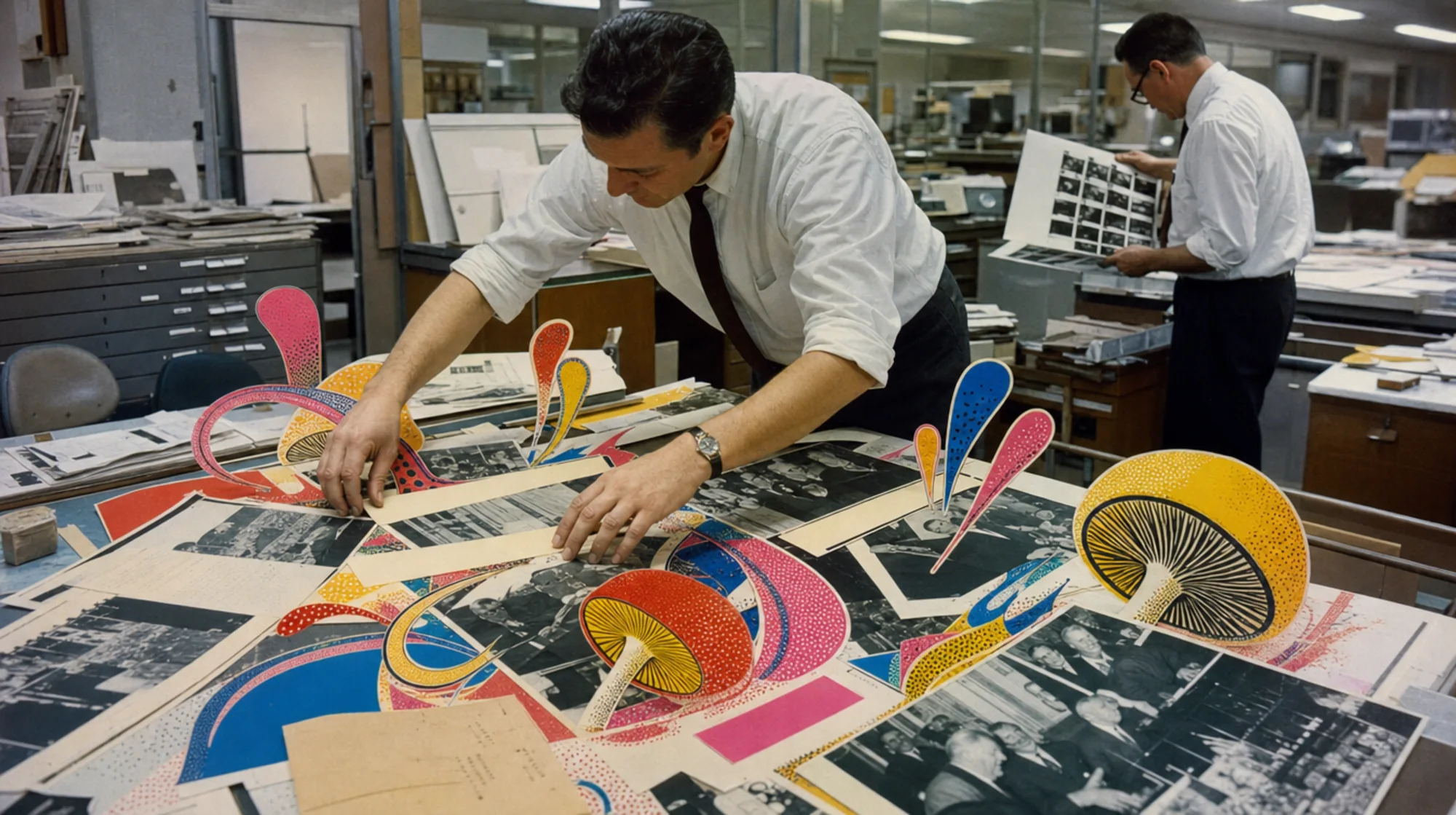
In May 1957, LIFE magazine ran Wasson's first-person account under the title "Seeking the Magic Mushroom." It was a ten-page spread with photographs of the ceremony, dropped into one of the most-read family magazines in America, tucked between ads for cigarettes and shaving cream. Millions of people read it. The response was instant and enormous. A subject that had been invisible to the West the week before was suddenly a national curiosity.
The name was not his idea
That famous phrase, "magic mushroom," came from a LIFE editor, added over Wasson's objections because it read better on the page. Wasson, for all his flaws, understood he was handling something serious. The editor understood he was selling magazines. The catchier version won, and the whole culture inherited a fairy-tale label for a Schedule I drug.
Hofmann finishes the job
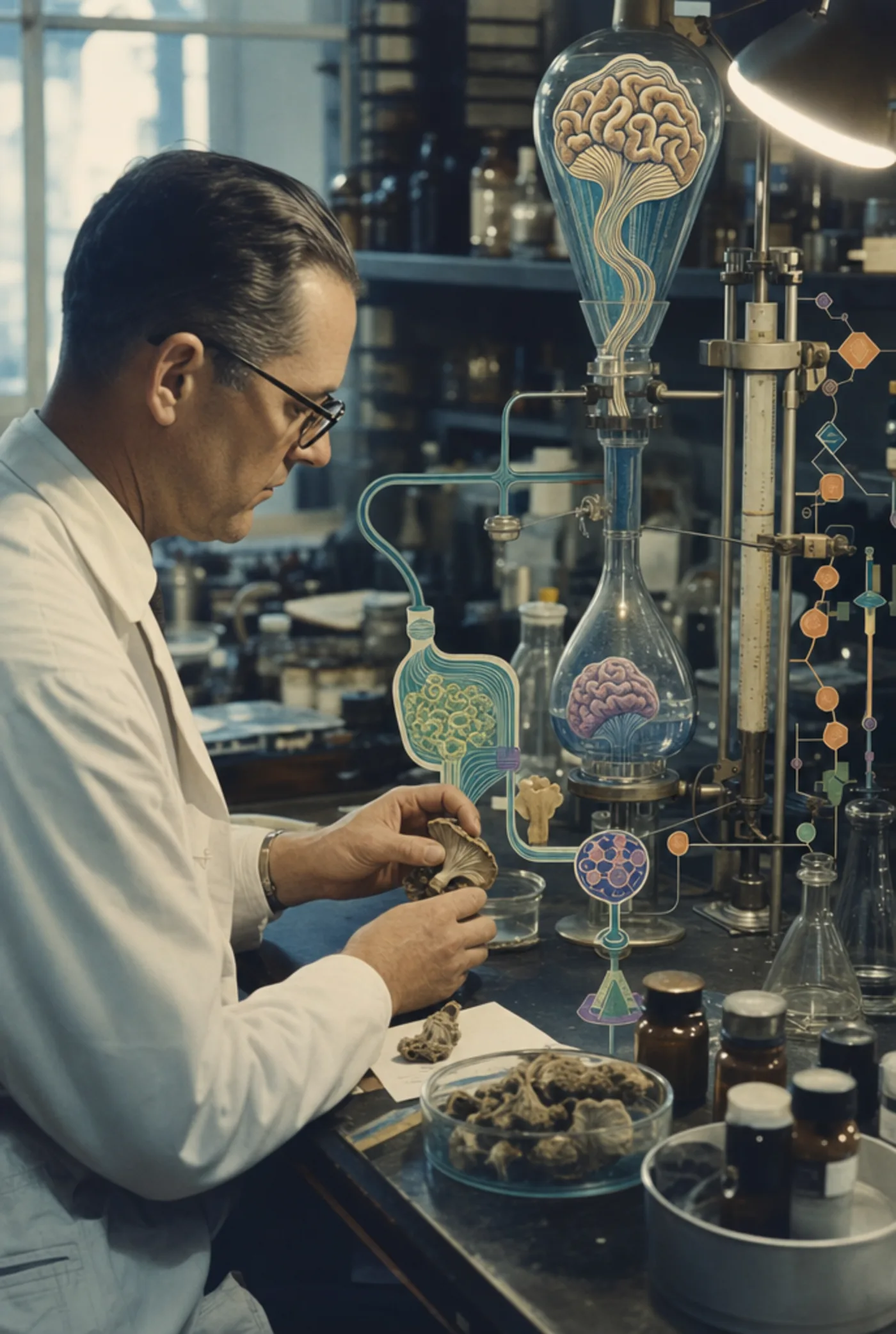
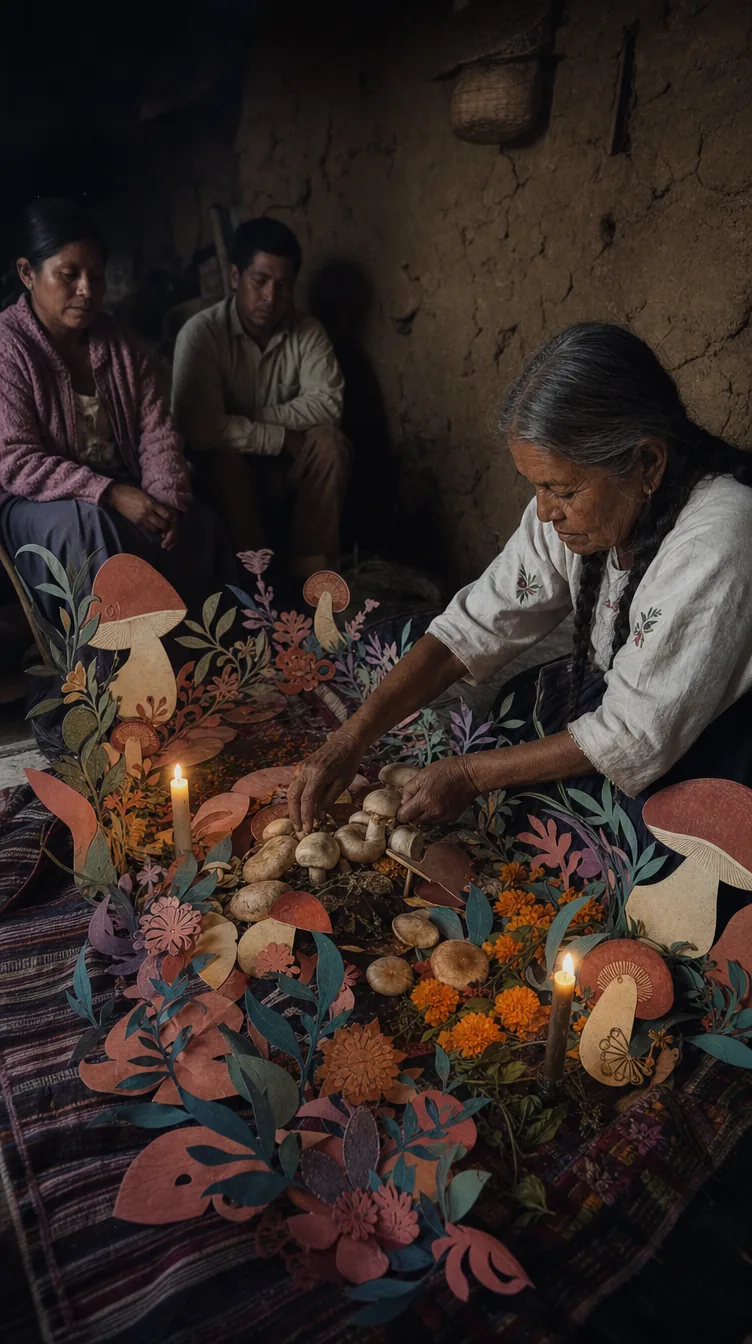
The science moved fast once the door was open. Within about a year, the Swiss chemist Albert Hofmann, the same man who had first synthesized LSD, got hold of samples from the Mexican mushrooms, isolated the active compound, and named it psilocybin. His employer, Sandoz, briefly sold it as a pharmaceutical. For a short window around the early 1960s, a doctor could legally hand a patient the very molecule a Mazatec healer had shared on a dirt floor in Oaxaca. That window did not stay open long once the counterculture caught the scent.
The Cold War subplot
There is a stranger layer under all this. Part of Wasson's expedition was funded, through a front organization, by money that traced back to the CIA. The agency was deep into its research on mind-altering drugs at the time, and Wasson credited the front at the end of his own article without seeming to grasp the full picture. Some historians read the whole LIFE feature through the lens of Cold War America, a story of a brave Western man unlocking a hidden native secret, published by a magazine whose owner believed American culture should remake the world.
What it did to Huautla
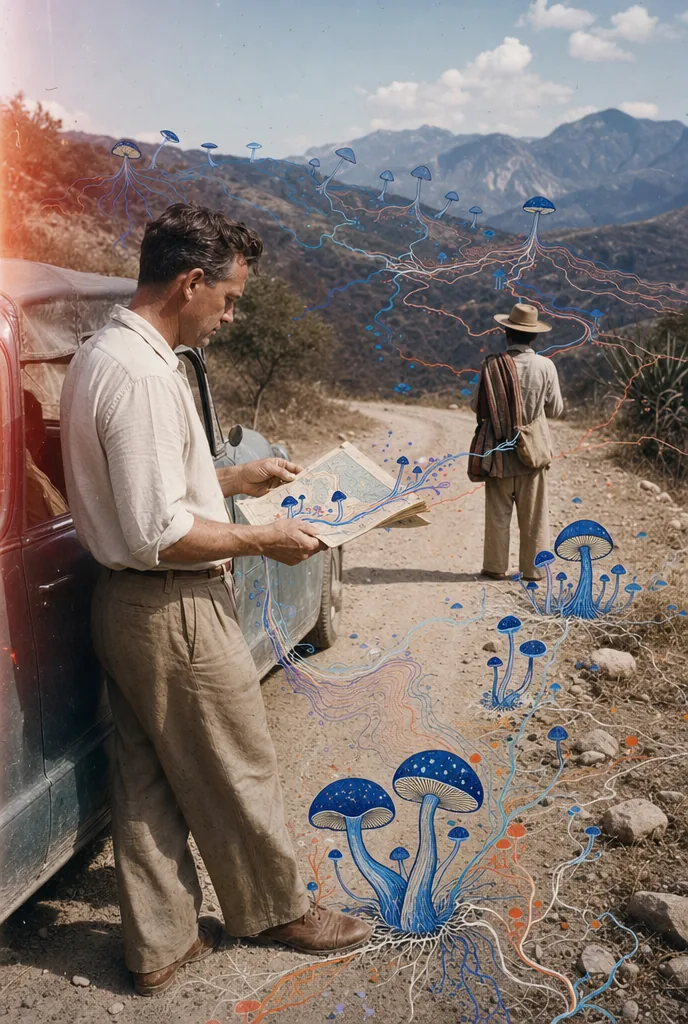
For Wasson, the article was a triumph. For Maria Sabina, it was the beginning of the end. He had promised discretion, even giving her a false name in print, but he eventually let the real location slip. Seekers came by the hundreds. Hippies, curiosity-tourists, and a few rock stars descended on a small mountain town looking for a mushroom experience. The sacred ceremony became a spectacle. Sabina's own community turned on her, blaming her for opening the door, and she reportedly said the mushrooms lost their power once outsiders came chasing them for the wrong reasons.
The backlash was swift
The tourism helped trigger the crackdown. As mushrooms and LSD spread into the counterculture, the political mood curdled. In 1970, the United States passed the Controlled Substances Act and filed psilocybin as Schedule I, the most restrictive category, alongside a formal declaration that it had no medical use. The research froze for a generation. The same molecule that scientists now study for depression spent fifty years legally frozen, partly because a banker could not keep a secret.
The uncomfortable inheritance
Every part of the current psychedelic moment sits on top of this story. The renewed science, the wellness marketing, the retreats that borrow indigenous language for a Western audience, all of it descends from a 1957 magazine article and the woman who paid for it. The field talks a lot now about respecting its roots. Those roots include a broken promise and a ruined life. Our look at how mushrooms got their modern rebrand and our breakdown of the research renaissance sit with that discomfort instead of skipping past it. Wasson lived a long life and defended his choices to the end, calling the exposure a fair price for science. Maria Sabina died poor in the town she never left. History books credit him with the discovery.
Frequently Asked Questions
Who was R. Gordon Wasson? A J.P. Morgan banker and amateur mycologist who took part in a Mazatec mushroom ceremony in 1955 and published his account in LIFE magazine in 1957, introducing psilocybin to the Western public.
Who was Maria Sabina? A Mazatec curandera from Huautla de Jimenez in Oaxaca, Mexico, who led the ceremony Wasson attended. His article exposed her and her town to a flood of outsiders, with lasting harm to her life and standing.
Did the CIA really fund the expedition? In part, through a front organization tied to the agency's research on mind-altering drugs. Wasson credited the front at the end of his article, apparently without grasping the full connection.
When was psilocybin banned in the United States? In 1970, under the Controlled Substances Act, which classified it as Schedule I and effectively froze scientific research for decades.
Who first isolated psilocybin? The Swiss chemist Albert Hofmann, who had earlier synthesized LSD, isolated and named the compound in the late 1950s from samples of the Mexican mushrooms.
Ready to apply what you've learned?
Browse lab-tested magic mushrooms, edibles, microdose capsules and teas — shipped discreetly across the United States.